Create a unique selling proposition to boost growth


Many businesses assume their product quality alone guarantees sales success, but this misconception overlooks the critical role of differentiation in a crowded market. A unique selling proposition (USP) is the essential differentiator that clarifies why customers should choose your business over competitors. Without a clear USP, even excellent products struggle to gain traction online. This article will guide you step by step through creating an effective USP tailored to strengthen your online visibility and competitive advantage. You'll learn practical frameworks, see real examples, and discover how to apply your USP consistently across all marketing channels to drive measurable business growth.
Table of Contents
- Key takeaways
- What is a unique selling proposition and why it matters
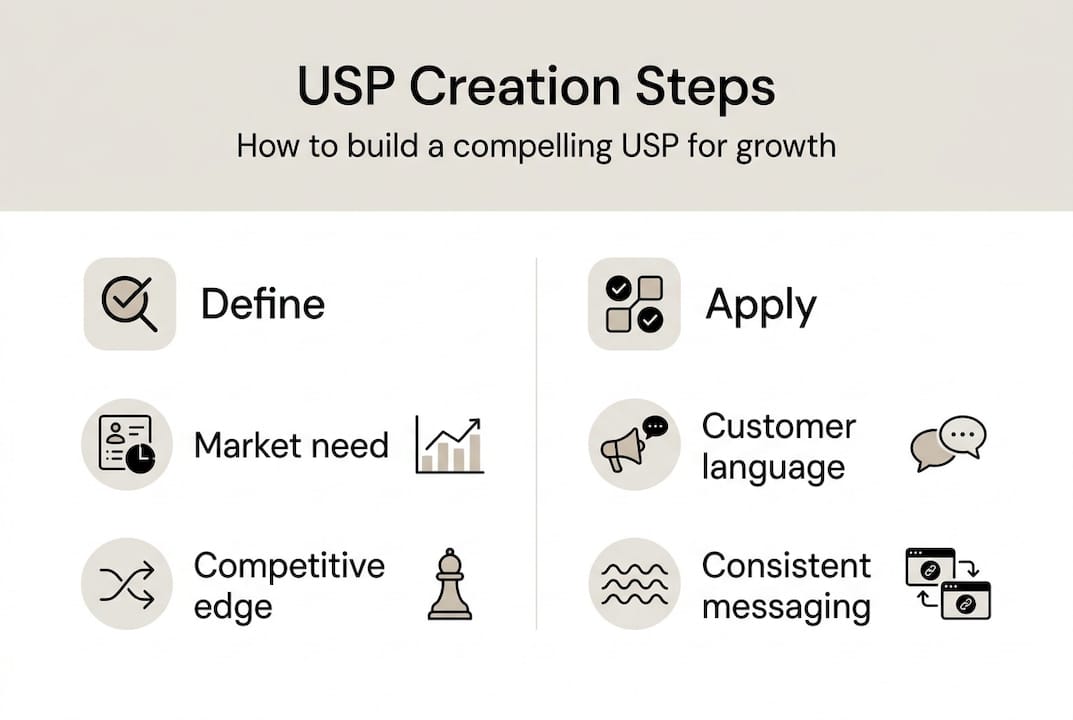
- Core steps to create your unique selling proposition
- Comparing effective vs ineffective USPs: examples and frameworks
- Applying your unique selling proposition for maximum business impact
- Enhance your unique selling proposition with BabyLoveGrowth tools
- FAQ
Key Takeaways
| Point | Details |
|---|---|
| Clear USP definition | A well defined USP differentiates your offering and explains why customers should choose you. |
| Focus on customer needs | Your USP should address urgent customer pain and promise a clear advantage over alternatives. |
| Differentiate from competitors | Highlight unique capabilities or approaches that competitors do not offer to avoid generic messaging. |
| Consistent brand messaging | Apply the USP across all channels to strengthen online presence and support growth. |
| Test messaging with customers | Ask five customers why they chose you to verify that your USP resonates and is clear. |
What is a unique selling proposition and why it matters
A unique selling proposition is the specific benefit or promise your business offers that competitors cannot replicate. It answers the fundamental question every potential customer asks: why should I choose you? Unlike general branding, which encompasses your overall identity and values, a USP focuses on competitive advantage and the tangible reasons customers should pick your solution.
Your USP directly influences customer choice by cutting through market noise and making your value immediately clear. When prospects compare options, a strong USP provides the decisive factor that tips the scale in your favor. This clarity improves marketing impact by giving your messaging a sharp focal point that resonates across channels.
Businesses without a clear USP face several growth obstacles:
- Generic messaging that fails to differentiate from competitors
- Difficulty justifying premium pricing or value
- Lower conversion rates due to unclear customer benefits
- Wasted marketing spend on unfocused campaigns
- Reduced customer loyalty and higher churn rates
A well-crafted USP supports your SEO efforts by providing clear, specific content that search engines can categorize and rank. When your website consistently communicates a distinct value proposition, search algorithms better understand your relevance for specific queries. This clarity also improves user engagement metrics, as visitors immediately recognize whether your solution matches their needs.
For small to medium businesses competing online, a compelling USP levels the playing field against larger competitors. You can carve out a specific niche and own it by highlighting what makes your approach unique. This focused positioning attracts the right customers who value your specific strengths rather than competing on every dimension.
Pro Tip: Test your current messaging by asking five customers why they chose you. If their answers vary widely or sound generic, your USP needs clarification.
Core steps to create your unique selling proposition
Creating a powerful USP requires systematic research and strategic thinking. Follow these structured steps to develop a proposition that genuinely differentiates your business.
-
Research competitor USPs to identify market gaps and positioning opportunities. Visit competitor websites, analyze their messaging, and note what benefits they emphasize. Look for areas they overlook or underserve. This competitive analysis reveals positioning opportunities where your business can stand out.
-
Identify your target customers' most urgent needs and desires through surveys, interviews, and behavioral data. What problems keep them awake at night? What outcomes would make their lives significantly better? Focus on emotional drivers, not just functional requirements.
-
Pinpoint what your business uniquely offers to meet those needs. Consider your proprietary processes, specialized expertise, unique features, or distinctive approach. The key is finding overlap between what customers desperately need and what only you can provide exceptionally well.
-
Craft a clear, concise USP statement focused on customer benefits and differentiation. Your statement should be one or two sentences maximum. Avoid industry jargon and focus on outcomes customers care about. Specify how you're different and why that difference matters to them.
-
Test and refine your USP for clarity and customer appeal. Share your draft USP with current customers, prospects, and team members. Ask if it's immediately clear, compelling, and believable. Iterate based on feedback until the message resonates strongly.
Pro Tip: Avoid vague language like "best quality" or "excellent service." Instead, specify exactly how your quality or service differs. For example, "24-hour response guarantee" beats "fast service" every time.
Your USP should pass the "so what?" test. If a customer could respond "so what?" to your proposition, dig deeper to find the real benefit. Keep asking why that feature matters until you reach the emotional or practical outcome customers truly value.
Integrate digital marketing fundamentals throughout this process to ensure your USP aligns with how customers search for and evaluate solutions online. Your proposition should naturally incorporate language customers use when seeking your type of solution.
Comparing effective vs ineffective USPs: examples and frameworks
Understanding the difference between powerful and weak USPs helps you evaluate and strengthen your own proposition. The following comparison illustrates key distinctions.
| Aspect | Effective USP | Ineffective USP |
|---|---|---|
| Clarity | "Fresh organic produce delivered to your door within 2 hours of harvest" | "Quality food delivery service" |
| Specificity | "Website load time under 1 second guaranteed or your money back" | "Fast, reliable web hosting" |
| Customer focus | "Learn conversational Spanish in 30 days using real-world scenarios" | "Comprehensive language learning platform" |
| Differentiation | "The only CRM built specifically for real estate teams under 10 agents" | "Easy-to-use CRM software" |
| Measurable benefit | "Reduce customer support tickets by 40% with AI-powered self-service" | "Improve customer satisfaction" |
Common mistakes weaken USPs and reduce their marketing impact. Generic claims like "best quality" or "great customer service" mean nothing because every competitor makes identical promises. Overly complex propositions confuse rather than clarify, forcing customers to work too hard to understand your value. Irrelevant features that don't address actual customer pain points waste attention on aspects customers don't care about.
The Value Proposition Canvas provides a proven framework for USP development. This tool maps customer jobs, pains, and gains against your products, pain relievers, and gain creators. By systematically matching what customers need with what you uniquely provide, you identify the strongest foundation for your USP.
Key traits of effective USPs you should replicate include:
- Immediate clarity that requires no explanation
- Specific, measurable benefits customers can visualize
- Authentic differentiation based on real capabilities
- Direct connection to customer priorities and pain points
- Memorable phrasing that sticks in minds
Pro Tip: Use your customers' own language when crafting your USP to increase resonance. Review customer testimonials, support tickets, and sales conversations to identify the exact words they use to describe their problems and your solutions.
When evaluating marketing agencies for e-commerce, notice how the most successful ones lead with specific, measurable outcomes rather than vague promises. Apply this same principle to your own USP development.
Applying your unique selling proposition for maximum business impact
Creating your USP is only the beginning. Maximum impact comes from consistent, strategic application across every customer touchpoint. Your website homepage should feature your USP prominently above the fold, making it the first message visitors see. Product pages, service descriptions, and landing pages should reinforce the same core message with specific examples.

Social media profiles and posts should consistently reflect your USP through content themes, visual branding, and engagement style. Every piece of advertising, from Google Ads to social media campaigns, should lead with your unique proposition to immediately differentiate your message from competitors.
Internal alignment ensures all employees communicate your USP consistently. Train customer service teams to articulate your unique value when handling inquiries. Equip sales teams with talking points that reinforce your differentiation. Even operations and product development should understand how their work supports the unique promise you make to customers.
Measuring USP effectiveness requires tracking specific key performance indicators that reveal whether your proposition resonates. Monitor these metrics before and after implementing your USP:
| Metric | Baseline | Target | Tracking method |
|---|---|---|---|
| Website conversion rate | Current % | +25% improvement | Analytics platform |
| Average time on site | Current seconds | +30% increase | User behavior tracking |
| Organic search traffic | Current monthly visitors | +40% growth | SEO analytics |
| Customer acquisition cost | Current $ per customer | -20% reduction | Marketing spend analysis |
| Brand recall in surveys | Current % recognition | +50% improvement | Customer surveys |
Best practices for ongoing USP optimization include:
- Quarterly customer feedback sessions to validate continued relevance
- A/B testing different USP phrasings to identify highest-performing versions
- Competitive monitoring to ensure your differentiation remains distinctive
- Channel-specific adaptations that maintain core message while fitting platform norms
- Regular team training to reinforce USP communication standards
Your USP should inform content strategy, ensuring blog posts, videos, and resources consistently demonstrate your unique approach. When prospects encounter your brand multiple times across different channels, the repeated exposure to your distinctive value proposition builds familiarity and credibility.
Integrate digital marketing basics to ensure your USP application aligns with proven online marketing principles. Consider how technology marketing agencies apply specialized positioning to stand out in competitive markets, and adapt similar strategies to your industry.
Enhance your unique selling proposition with BabyLoveGrowth tools
Once you've crafted a compelling USP, amplifying its reach requires the right digital marketing infrastructure. BabyLoveGrowth provides specialized tools designed to help businesses maximize their unique positioning online. The platform's organic traffic tool helps you research competitor strategies and identify content gaps where your USP can capture search visibility. By understanding what customers search for and how competitors position themselves, you can optimize your messaging to stand out.
Building authority for your unique value proposition requires strategic link building. BabyLoveGrowth's backlink exchange ecosystem connects you with relevant sites to build credibility and domain authority. Combined with comprehensive SEO link building services, these tools ensure your differentiated message reaches the right audience through improved search rankings and online visibility.
FAQ
How do I know if my unique selling proposition is effective?
Look for increased engagement metrics like longer site visits, lower bounce rates, and more email signups after implementing your USP. Track conversion improvements and sales growth that correlate with your new messaging. Customer feedback indicating they clearly understand why you're different provides qualitative validation. Use analytics to measure traffic and conversion changes, comparing performance before and after USP implementation across at least 90 days.
Can a unique selling proposition change over time?
Yes, updating your USP keeps it relevant as markets evolve and customer expectations shift. New competitors, technological advances, and changing consumer priorities may require repositioning. Regularly review your USP quarterly based on market research, competitive analysis, and customer feedback. The core of what makes you unique may remain stable, but how you articulate and emphasize that uniqueness should adapt to maintain maximum impact and differentiation.
How is a unique selling proposition different from a value proposition?
A USP highlights your specific competitive advantage and what makes you distinctly different from alternatives. A value proposition communicates the overall value customers receive from your entire offering. While they overlap, your USP focuses more narrowly on differentiation and competitive positioning. Your value proposition is broader, encompassing all benefits customers gain. Think of your USP as the sharpest point of your value proposition, the one thing that most clearly separates you from everyone else.
Should my unique selling proposition focus on price or quality?
Neither price nor quality alone makes a compelling USP unless you can claim an extreme position that's defensible. "Lowest price" only works if you can truly sustain that position and attract price-sensitive customers. "Highest quality" requires proof and appeals to premium segments. The strongest USPs focus on specific outcomes, unique approaches, or specialized solutions that matter to your target customers. Consider what problem you solve differently or better, rather than competing solely on price or generic quality claims.
How long should my unique selling proposition statement be?
Your core USP statement should be one to two sentences maximum, ideally under 20 words. This brevity ensures clarity and memorability. You can expand on your USP with supporting details in different contexts, but the central proposition must be instantly graspable. Test this by sharing your USP verbally. If listeners need clarification or look confused, simplify further until the unique value is immediately obvious.
Recommended
Smart SEO,
Faster Growth!
Most Read Articles
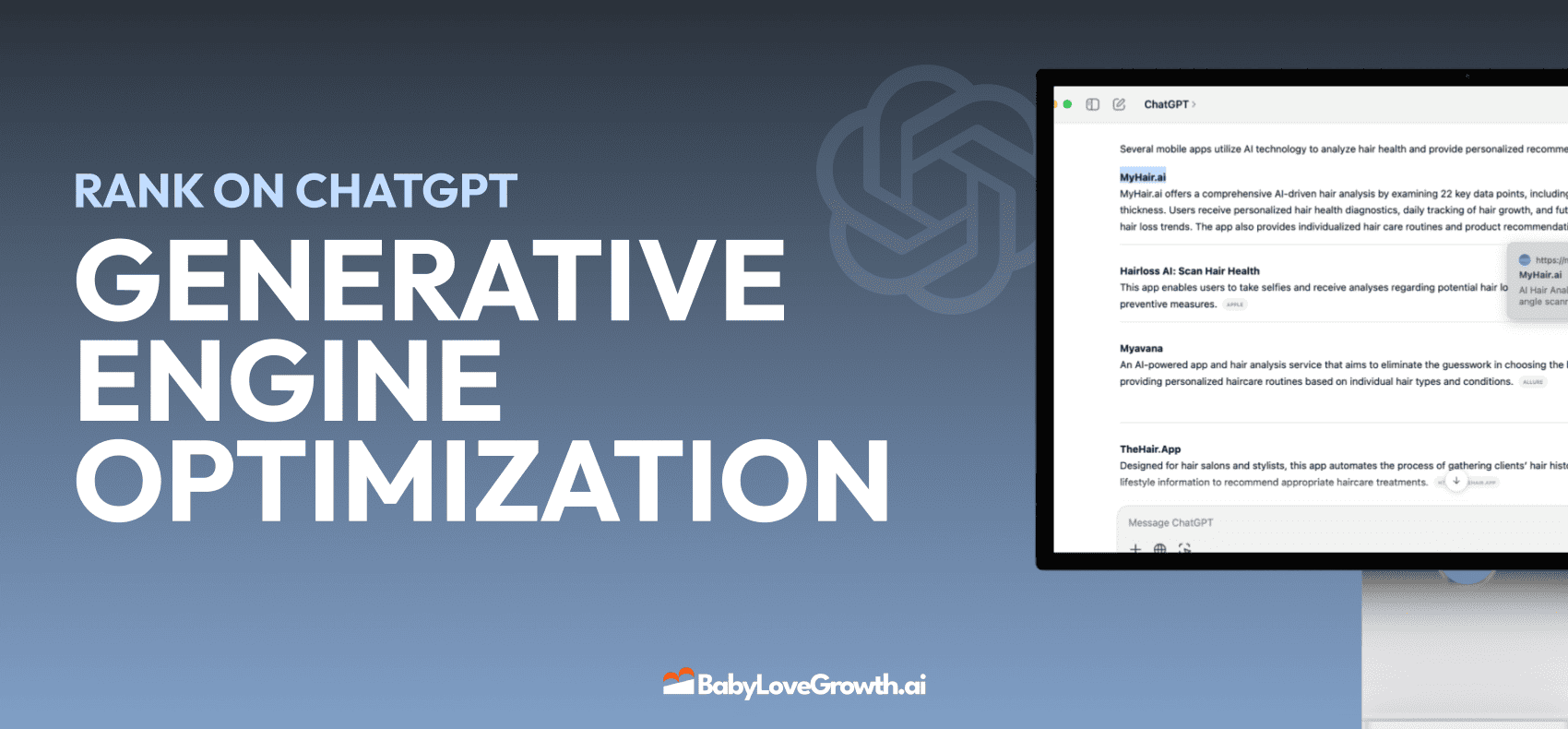
Generative Engine Optimization (GEO)
Learn how Generative Engine Optimization (GEO) helps your content rank in AI search engines like ChatGPT and Google AI. This comprehensive guide explains the differences between SEO and GEO, why it matters for your business, and practical steps to implement GEO strategies for better visibility in AI-generated responses.
DylenJan 18, 2025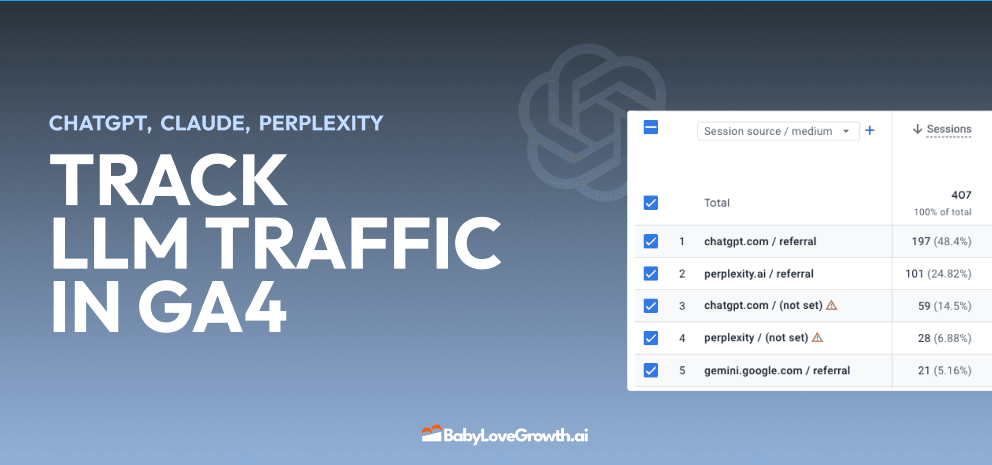
Track LLM Traffic in Google Analytics 4 (GA4)
Learn how to track and analyze traffic from AI sources like ChatGPT, Claude, Perplexity, and Google Gemini in Google Analytics 4. This step-by-step guide shows you how to set up custom filters to monitor AI-driven traffic and make data-driven decisions for your content strategy.
DylenMar 18, 2025
How to Humanize AI Text with Instructions
Learn practical techniques to make AI-generated content sound more natural and human. This guide covers active voice, direct addressing, concise writing, and other proven strategies to transform robotic text into engaging content.
DylenApril 7, 2025
Open AI Revenue and Statistics (2024)
Comprehensive analysis of OpenAI financial performance, user engagement, and market position in 2023. Discover key statistics including $20B valuation, $1B projected revenue, and 100M+ monthly active users.
DylenOctober 03, 2025