7 Essential Content Optimization Tips for Agency Success


Nearly every ambitious american agency owner knows how fierce the competition can be when trying to rank on search engines. Staying ahead in the digital game means adapting quickly to new strategies and technologies that boost visibility and client engagement. With AI-driven content optimization, agencies around the world gain access to smarter keyword insights, more compelling headlines, and precise performance tracking that can make a measurable difference. Discover why embracing these modern tactics is critical for delivering results clients will notice.
Table of Contents
- 1. Start With Targeted Keyword Research
- 2. Use AI Tools For Content Planning
- 3. Craft Compelling And Clear Headlines
- 4. Optimize On-Page SEO Elements
- 5. Leverage Internal And External Linking
- 6. Monitor And Improve Content Performance
- 7. Automate Structured Data Markup
Quick Summary
| Key Insight | Clear Explanation |
|---|---|
| 1. Conduct Strategic Keyword Research | Understand user search intent to create relevant content that meets audience needs and aligns with search engine algorithms. |
| 2. Utilize AI Tools for Content Planning | Leverage AI technology to enhance content creation through efficient research, topic suggestion, and automation of repetitive tasks. |
| 3. Optimize On-Page SEO Elements | Focus on key SEO elements like title tags and meta descriptions to improve search performance and visibility. |
| 4. Implement Internal and External Linking | Use strategic linking to enhance website navigation and authority, improving user experience and content credibility. |
| 5. Regularly Monitor Content Performance | Track key metrics to evaluate engagement and effectiveness, adjusting strategies based on data insights for continuous improvement. |
1. Start With Targeted Keyword Research
Successful content optimization begins with strategic keyword research. By understanding exactly what your potential clients are searching for, you can craft content that precisely meets their needs and captures their attention.
Keyword research is more than just identifying popular search terms. It's about discovering the specific language and intent behind user searches. Keyword research helps professionals analyze search terms that potential customers use when seeking solutions online. This process allows digital marketing agencies to align their content with audience expectations and search engine algorithms.
To conduct effective keyword research, start by brainstorming core topics relevant to your agency's services. Use specialized tools to explore search volumes, competition levels, and user intent. Focus on both short-tail keywords (broader terms) and long-tail keywords (more specific phrases) to create a comprehensive content strategy.
Agencies should prioritize keywords that balance three critical factors: search volume, competition difficulty, and relevance to their target audience. This means identifying terms with decent search traffic that aren't oversaturated, and which directly connect with your ideal client's needs.
Pro tip: Regularly update your keyword research to stay ahead of emerging trends and shifts in search behavior.
2. Use AI Tools for Content Planning
AI tools have transformed content planning from a manual process into a strategic, efficient workflow. Digital marketing agencies can now leverage advanced technologies to streamline content creation and optimize their strategic approaches.
Academic search engines and AI tools provide tailored content discovery capabilities that dramatically enhance research and planning processes. These intelligent platforms help agencies generate high quality content ideas, analyze potential topics, and predict audience engagement with unprecedented precision.Modern AI content planning tools offer multiple critical advantages. They can analyze existing content, identify knowledge gaps, suggest relevant keywords, and even generate initial content drafts. This allows marketing teams to focus on high value creative tasks while automating repetitive research and planning elements.
When selecting AI content planning tools, focus on platforms that integrate seamlessly with your existing workflows. Look for features like topic suggestion algorithms, content gap analysis, competitive content mapping, and predictive performance metrics. The goal is finding tools that augment your team's creativity rather than attempting to replace human insight.
Pro tip: Experiment with multiple AI content planning tools and develop a hybrid approach that combines technological efficiency with your agency's unique strategic perspective.
3. Craft Compelling and Clear Headlines
Headlines are the gateway to your content, serving as the first impression that determines whether readers will engage or scroll past. Mastering the art of headline creation is crucial for digital marketing agencies seeking to capture audience attention.
Large-scale studies reveal headline strategies that significantly improve reader engagement. The most effective headlines are concise, use simple language, and communicate a clear value proposition within seconds.When crafting headlines, focus on clarity and specificity. Use active verbs that create a sense of immediacy and relevance. Avoid complex jargon or overly clever wordplay that might confuse readers. Your headline should answer the fundamental question: What value will the reader gain by clicking?
Strong headlines typically include three key elements: a compelling promise, relevant keywords, and an emotional trigger. This might mean highlighting a specific benefit, addressing a pain point, or creating curiosity that compels readers to learn more. Aim to be direct yet intriguing, balancing information with a touch of intrigue that makes readers want to dive deeper.
Pro tip: Test multiple headline variations using A/B testing to understand which language and approach resonates most effectively with your target audience.
4. Optimize On-Page SEO Elements
On-page SEO is the strategic foundation that transforms website content from invisible to discoverable. Digital marketing agencies must master the technical nuances that help search engines understand and rank their content effectively.
On-page SEO involves precise optimization strategies that go beyond simple keyword placement. This approach requires a comprehensive understanding of how search engines evaluate web pages and translate content into ranking signals.Focus on key on-page elements that drive search performance. These include crafting descriptive title tags, writing compelling meta descriptions, using header tags strategically, optimizing image alt text, and creating clean URL structures. Each element should communicate clear relevance and provide search engines with structured information about your content.
Implementing on-page SEO requires a holistic approach. Ensure your keywords appear naturally within content, maintaining readability while signaling topical relevance. Pay attention to internal linking, creating a logical site structure that helps search engines understand the relationship between different pages and content sections.
Pro tip: Regularly audit your on-page SEO elements using professional tools and update content to maintain alignment with current search engine algorithms.
5. Leverage Internal and External Linking
Link building is the strategic backbone of content optimization that transforms isolated web pages into interconnected information networks. Smart digital marketing agencies understand how thoughtful linking can dramatically improve website authority and user experience.
Strategic internal and external links create a robust content ecosystem that search engines and readers appreciate. Internal links help users navigate related content while signaling topical relevance to search algorithms, whereas external links provide additional credibility and context.When implementing internal linking, focus on creating a logical content hierarchy. Connect related articles and pages using descriptive anchor text that provides clear context about the linked content. Aim to guide readers through a meaningful journey across your website, helping them discover deeper insights and related information.
External linking requires careful curation. Select authoritative sources that enhance your content's credibility. Prioritize academic publications, research institutions, government websites, and recognized industry experts. Each external link should provide genuine value, offering readers additional depth or supporting your content's key arguments.
Pro tip: Create a quarterly linking audit to ensure all internal and external links remain active, relevant, and strategically positioned to support your content goals.
6. Monitor and Improve Content Performance
Successful digital marketing agencies understand that content optimization is an ongoing process of measurement, analysis, and strategic refinement. Tracking performance metrics provides the roadmap for continuous improvement and sustained organic growth.
Systematic performance evaluation strategies help agencies transform raw data into actionable insights. By implementing comprehensive monitoring techniques, marketing teams can move beyond surface-level metrics to understand deep audience engagement patterns.Key performance indicators for content assessment include organic traffic, user engagement rates, conversion metrics, time on page, and search engine rankings. Agencies should establish baseline measurements and track how content evolves over time. Use advanced analytics platforms to segment data and identify specific areas of content strength and potential improvement.
Implement a structured review process that involves quarterly content audits. Analyze which pieces perform best, understand why they resonate with audiences, and use those insights to inform future content strategies. Look for patterns in topic selection, headline effectiveness, and audience interaction that can guide more targeted content creation.
Pro tip: Create a dynamic content performance dashboard that tracks key metrics in real time, allowing for rapid strategic adjustments and continuous optimization.
7. Automate Structured Data Markup
Structured data markup represents the secret language that helps search engines understand and interpret website content more intelligently. Digital marketing agencies can dramatically improve their content visibility by implementing strategic automated markup techniques.
Schema.org defines standardized markup vocabularies that transform how search engines comprehend web content. These specialized markup languages like JSON-LD enable websites to communicate precise details about their content, enhancing search result presentations and increasing organic visibility.Automated structured data markup goes beyond simple keyword optimization. It provides rich contextual information about content, allowing search engines to generate more informative rich snippets, knowledge panels, and enhanced search results. By embedding precise metadata about articles, events, products, or services, agencies can help their content stand out in competitive search landscapes.
Implementing structured data requires selecting appropriate schema types that match your content. Whether you are marking up blog posts, local business information, product details, or professional services, choose schemas that accurately represent your content's unique characteristics. Utilize automated tools that can generate and validate schema markup across multiple page types consistently.
Pro tip: Regularly validate your structured data markup using official search engine tools to ensure accurate implementation and maximum potential for enhanced search result visibility.
Below is a comprehensive table summarizing the strategies and steps for effective content optimization discussed in the article.
| Step | Description | Key Actions |
|---|---|---|
| Targeted Keyword Research | Conduct research to identify relevant keywords that align with user search intents. | Use tools to analyze short-tail and long-tail keywords to create relevant content. |
| Utilizing AI Tools | Implement AI for efficient content planning and analysis. | Use platforms for topic suggestions, competitor analysis, and draft generation. |
| Clear Headline Crafting | Create engaging headlines to attract and retain readers. | Focus on clarity, emotional appeal, and direct value propositions. |
| On-Page SEO Optimization | Optimize website content for search engine visibility. | Incorporate title tags, meta descriptions, alt text, and structured URLs. |
| Strategic Linking | Build internal and external links to enhance content reach and authority. | Use logical anchors for internal links and credible sources for external links. |
| Performance Monitoring | Continuously measure content effectiveness. | Track metrics such as engagement, traffic, and rankings. |
| Structured Data Markup | Use structured data for enriched search representations. | Implement relevant schemas, such as JSON-LD, to improve visibility. |
Elevate Your Agency’s Content Optimization Strategy Today
The article highlights common challenges agencies face like targeting the right keywords, crafting compelling headlines, and automating structured data markup to boost search visibility. If you want to overcome these hurdles and achieve consistent organic growth, you need an all-in-one solution that handles keyword discovery, AI-driven content planning, and automated SEO enhancements with precision. Babylovegrowth.ai specializes in transforming those complex optimization tips into streamlined actions through intelligent automation designed specifically for agencies aiming to excel in competitive markets.

Ready to harness AI to improve your headline effectiveness, implement structured data markup automatically, and build a robust internal linking strategy that elevates your content’s authority? Visit Babylovegrowth.ai now to explore our platform. Discover how our automated content plans and SEO tools empower you to boost organic traffic, enhance search rankings across Google and AI-driven engines, and sustain long-term brand visibility. Don’t wait to turn your content optimization challenges into scalable growth opportunities. Start your free trial and take control of your agency’s success today.
Frequently Asked Questions
What is the importance of targeted keyword research in content optimization?
Keyword research is crucial as it helps identify the specific terms potential clients use when searching for solutions. Start by brainstorming relevant topics and use tools to analyze search volume, competition, and user intent to find keywords that align with your audience's needs.
How can AI tools enhance content planning for agencies?
AI tools can streamline content planning by analyzing existing content, suggesting relevant keywords, and even generating initial drafts. Experiment with multiple platforms to find features that integrate with your workflow and enhance your team's creative processes.
What should I include in compelling and clear headlines?
Compelling headlines should include a clear value proposition, relevant keywords, and an emotional trigger to engage readers. Aim for headlines that are concise and straightforward while addressing what readers will gain by clicking on your content.
What on-page SEO elements should I optimize for better search performance?
To improve search performance, focus on optimizing title tags, meta descriptions, header tags, and image alt text. Ensure that these elements naturally incorporate your target keywords while maintaining readability and providing clear context to search engines.
How do I effectively use internal and external linking in my content?
Internal linking should connect related content within your site using descriptive anchor text for improved navigation. For external links, choose authoritative sources that add credibility and depth, enhancing the value of your content for readers.
What metrics should I monitor to assess content performance?
Key performance metrics to track include organic traffic, user engagement rates, and conversion metrics. Set up a structured review process to analyze these metrics quarterly and adjust your content strategy to improve overall effectiveness.
Recommended
Smart SEO,
Faster Growth!
Most Read Articles
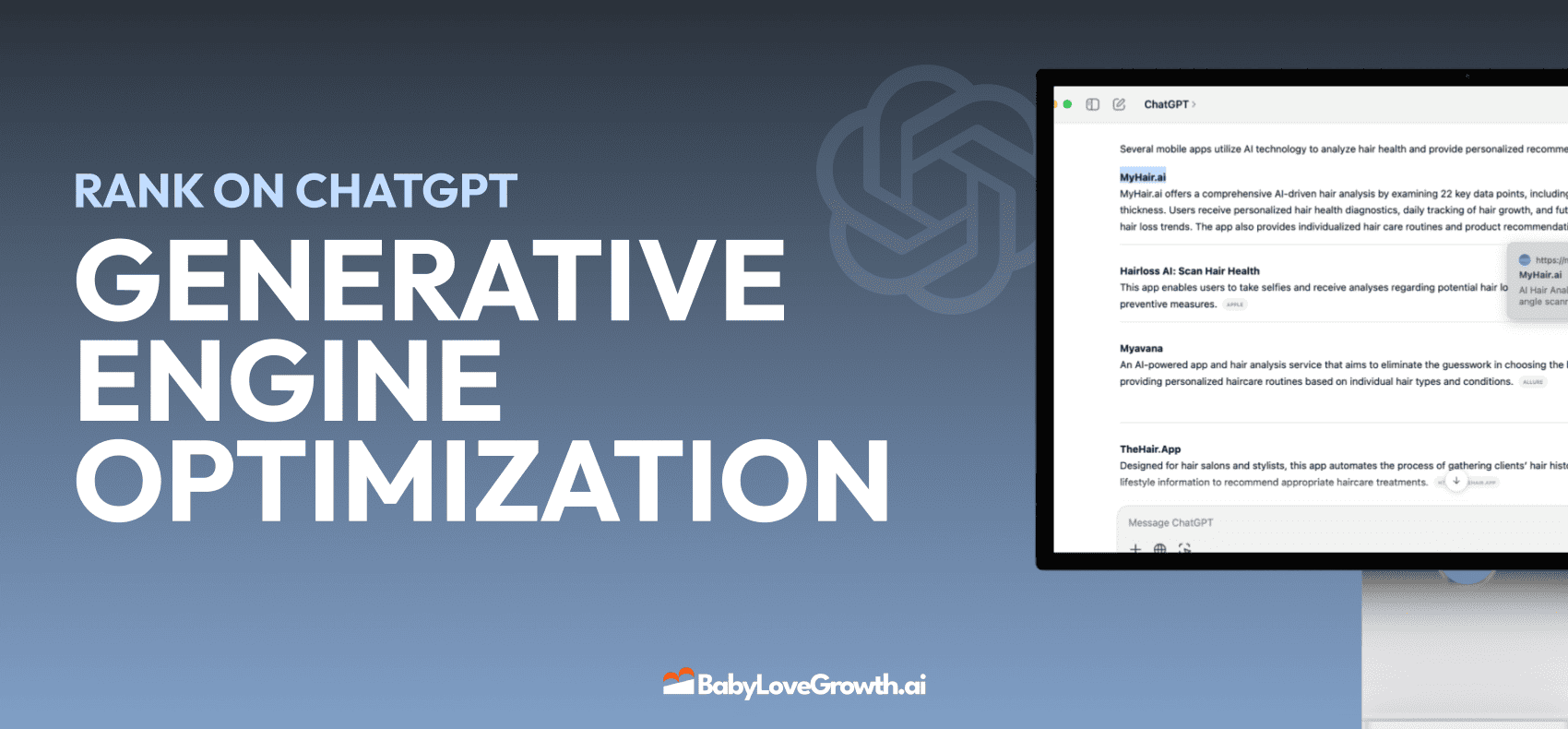
Generative Engine Optimization (GEO)
Learn how Generative Engine Optimization (GEO) helps your content rank in AI search engines like ChatGPT and Google AI. This comprehensive guide explains the differences between SEO and GEO, why it matters for your business, and practical steps to implement GEO strategies for better visibility in AI-generated responses.
DylenJan 18, 2025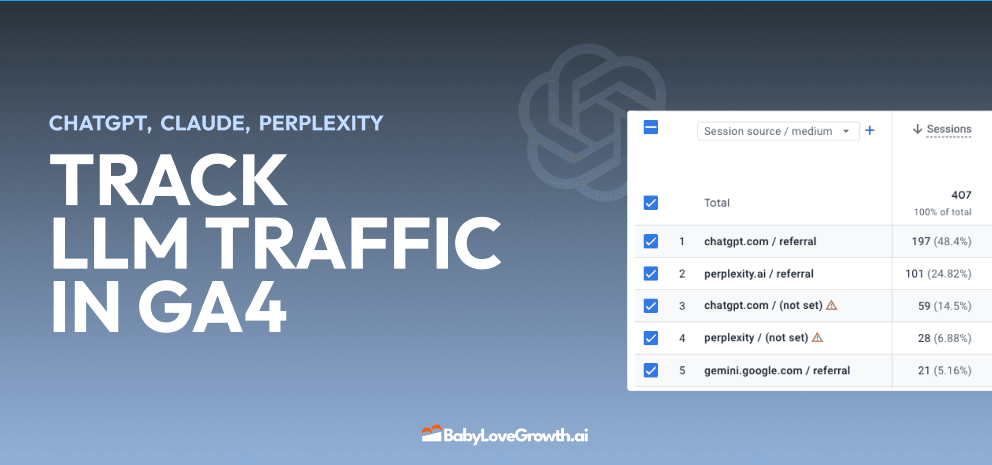
Track LLM Traffic in Google Analytics 4 (GA4)
Learn how to track and analyze traffic from AI sources like ChatGPT, Claude, Perplexity, and Google Gemini in Google Analytics 4. This step-by-step guide shows you how to set up custom filters to monitor AI-driven traffic and make data-driven decisions for your content strategy.
DylenMar 18, 2025
How to Humanize AI Text with Instructions
Learn practical techniques to make AI-generated content sound more natural and human. This guide covers active voice, direct addressing, concise writing, and other proven strategies to transform robotic text into engaging content.
DylenApril 7, 2025
Open AI Revenue and Statistics (2024)
Comprehensive analysis of OpenAI financial performance, user engagement, and market position in 2023. Discover key statistics including $20B valuation, $1B projected revenue, and 100M+ monthly active users.
DylenOctober 03, 2025