Content marketing checklist 2026: optimize SEO & organic growth


Executing a successful content marketing strategy in 2026 requires more than creative ideas—it demands a systematic, SEO-focused checklist that coordinates keyword research, content planning, technical optimization, and performance tracking. Many digital marketers struggle with fragmented workflows and missed optimization opportunities that undermine organic growth. A well-structured checklist integrates AI-powered automation with proven SEO practices, helping you prioritize tasks, maintain publishing consistency, and scale results efficiently across Google and AI-driven search platforms.
Table of Contents
- Selection Criteria For A Content Marketing Checklist
- Keyword Research And Selection
- Content Planning And Scheduling
- Technical Seo Optimization
- Link Building Strategies
- Performance Measurement And Iteration
- Summary Comparison And Situational Recommendations
- Optimize Your Content Marketing With Babylovegrowth Ai Tools
Key takeaways
| Point | Details |
|---|---|
| Task prioritization | A comprehensive checklist improves SEO task prioritization by 18%. |
| AI keyword research | AI tools reduce keyword research time by up to 70%. |
| Publishing consistency | Rolling content calendars boost publication consistency by 80%. |
| Structured data impact | Structured data markup increases click-through rates by 25%. |
| Performance monitoring | Weekly performance monitoring improves optimization response by 40%. |
Selection criteria for a content marketing checklist
Choosing or building the right content marketing checklist requires evaluating four critical factors: comprehensiveness, SEO alignment, automation compatibility, and workflow integration. A checklist that covers all essential SEO tasks while supporting AI-powered automation delivers the best results. Prioritizing SEO tasks improves rankings by 18%, making structured workflows essential for measurable growth.
Comprehensiveness ensures your checklist addresses every phase of the content lifecycle, from keyword discovery through publication and performance analysis. SEO alignment means every task directly supports search visibility and organic traffic goals. Automation compatibility determines whether your checklist integrates with AI tools that reduce manual work and accelerate execution. Workflow integration measures how smoothly the checklist fits into your team's existing processes, which directly impacts adoption rates and long-term consistency.
Automation compatibility can halve task completion time while increasing team adoption. When your content creation workflow integrates automated keyword research, scheduled publishing, and technical audits, you eliminate bottlenecks and maintain momentum. The checklist must support daily or weekly execution without overwhelming your team.
Pro Tip: Prioritize checklists that automate repetitive SEO tasks like schema markup and site audits, freeing your team to focus on content quality and strategic planning.
Evaluate potential checklists using these criteria:
- Does it cover keyword research, content planning, technical SEO, link building, and performance tracking?
- Can it integrate with AI tools for automation and scalability?
- Will your team actually use it consistently within current workflows?
- Does it support both immediate wins and long-term organic growth strategies?
The right checklist transforms scattered efforts into a coordinated system that delivers measurable agency growth and sustained SEO results.
Keyword research and selection
Effective keyword research forms the foundation of every successful content marketing checklist. AI-powered tools identify high-value keywords aligned with user intent while reducing research time by up to 70%, allowing marketers to focus on content creation rather than data analysis. Modern keyword strategies prioritize relevance and search intent over sheer volume, targeting terms that drive qualified organic traffic.

Start by leveraging AI-powered keyword discovery to generate comprehensive keyword lists based on seed topics, competitor analysis, and trending search patterns. These tools analyze search intent automatically, categorizing keywords by informational, navigational, commercial, or transactional purpose. This classification helps you match content types to user needs, improving engagement and conversion rates.
Integrate keyword research directly into your editorial planning process. When your content calendar reflects keyword priorities, you maintain strategic focus and avoid creating articles that lack search demand. AI tools can suggest content topics based on keyword clusters, ensuring your publishing schedule addresses gaps in your current coverage while targeting growth opportunities.
Apply these best practices for AI-driven content creation and keyword selection:
- Focus on long-tail keywords with specific user intent for better conversion rates.
- Analyze keyword difficulty scores to balance quick wins with long-term ranking goals.
- Group related keywords into topic clusters to support pillar content strategies.
- Update keyword lists quarterly to reflect evolving search trends and platform algorithms.
- Prioritize keywords that align with your brand expertise and audience needs.
The keyword research phase connects directly to content planning by providing data-driven topic ideas and search volume projections. Best AI SEO tools in 2026 offer integrated keyword research and content planning features, streamlining the transition from research to execution. This integration ensures every piece of content you create targets validated search opportunities rather than guesswork.
Content planning and scheduling
A rolling 30-day editorial calendar maintains publishing consistency and strategic alignment with SEO goals. This approach combines keyword research insights with AI-generated topic suggestions to overcome writer's block and ensure content diversity. Publishing consistency drives measurable SEO improvements, with regular schedules boosting indexing frequency and domain authority over time.
Implement your editorial calendar using these core elements: publication dates, assigned keywords, content formats, target word counts, and assigned team members. Rolling calendars adjust dynamically as you publish content, always maintaining a 30-day forward view. This prevents last-minute scrambling and allows time for proper research, writing, and optimization before publication.
AI-generated content topics enhance calendar planning by analyzing trending searches, competitor gaps, and seasonal opportunities your team might miss manually. These suggestions align with your keyword strategy while introducing fresh angles that increase content variety. Diversity in content formats—articles, guides, case studies, comparisons—keeps your audience engaged and supports different stages of the buyer journey.
Align calendar themes with keyword research outcomes to maintain strategic focus. If your research identifies high-opportunity keywords in specific categories, schedule content clusters addressing those topics. This concentrated approach builds topical authority faster than scattered content across unrelated subjects.
Pro Tip: Schedule content production two weeks ahead of publication dates to allow time for optimization, internal linking, and quality review without rushing.
Your content creation workflow should integrate calendar management with keyword tracking and performance monitoring. When publishing dates align with keyword priorities and team capacity, you maintain momentum without sacrificing quality. Consistent, diverse content drives improved rankings by signaling to search engines that your site actively addresses user needs with fresh, relevant information.
Key calendar management practices include:
- Review and adjust the calendar weekly based on performance data and trending topics.
- Balance evergreen content with timely pieces addressing current industry developments.
- Coordinate content themes across channels for reinforced messaging and cross-promotion.
- Build buffer content for unexpected schedule disruptions or team capacity changes.
Technical SEO optimization
Technical SEO forms the infrastructure that makes your content discoverable and rankable. Automated structured data markup, regular site audits, and proactive health monitoring ensure search engines can crawl, index, and understand your content effectively. Incorporating structured data markup automatically increases CTR by up to 25% by enabling rich snippets and enhanced search results.
Structured data markup tells search engines exactly what your content represents—articles, products, events, FAQs, or other content types. Automatic schema implementation saves hours of manual coding while reducing errors that prevent rich snippet eligibility. Modern SEO platforms apply schema templates based on content type, ensuring consistent markup across your entire site without requiring technical expertise from your content team.
Regular technical audits detect critical issues before they damage rankings. Automated audits scan for broken links, duplicate content, missing meta tags, slow page speeds, mobile usability problems, and crawl errors. Running these checks weekly through an AI SEO audit tool identifies problems when they first appear, allowing quick fixes that prevent ranking losses.
Site health monitoring focuses on crawlability—ensuring search engine bots can access and index all important pages. A website crawlability audit reveals blocked resources, redirect chains, orphaned pages, and XML sitemap errors that limit search visibility. Optimal crawlability means search engines discover new content quickly and allocate crawl budget efficiently.
Structured data implementation increases search result CTR by 25%, making it one of the highest-impact technical SEO tasks.
Implement these technical SEO practices in your checklist:
- Apply automatic schema markup for all content types using validated templates.
- Run weekly technical audits focusing on crawl errors, broken links, and page speed.
- Monitor Core Web Vitals scores and optimize pages that fall below recommended thresholds.
- Verify XML sitemaps update automatically when new content publishes.
- Check mobile usability monthly to ensure responsive design across devices.
Technical optimization delivers compounding benefits as your content library grows. Proper infrastructure ensures every piece of content you publish has maximum opportunity to rank and attract organic traffic. Learn more about structured data benefits and implementation best practices from Google's official documentation.
Link building strategies
Strategic link building combines internal linking optimization with external backlink acquisition and social conversation targeting. Internal linking strengthens site structure and distributes ranking power across your content, directly improving keyword positions for linked pages. External backlinks from authoritative sources signal content quality to search engines, while social conversations drive referral traffic and brand awareness.
Internal linking requires systematic planning to ensure every published article connects to related content through contextual, relevant links. This creates topic clusters that demonstrate subject matter expertise and help search engines understand content relationships. Each new article should link to 3-5 existing pieces, while older articles should be updated to link to newer content, maintaining a dynamic, interconnected content network.
Backlink networks offer scale by connecting your content with relevant industry sites, directories, and partner platforms. Strategic timing matters—rushing backlink acquisition appears manipulative, while gradual, natural link building sustains long-term SEO health. Quality trumps quantity; prioritize backlinks from sites with strong domain authority and relevant audiences over bulk links from low-quality sources.
Social conversation targeting, particularly on platforms like Reddit, generates referral traffic while building brand visibility. Participating authentically in relevant discussions and sharing helpful content attracts engaged users who may become customers or advocates. This approach complements traditional link building by diversifying traffic sources beyond search engines.
| Strategy | Strengths | Ideal Use Case |
|---|---|---|
| Internal linking | Controls site structure, distributes ranking power, requires no external outreach | Building topical authority and improving crawlability across content clusters |
| Backlink networks | Scales link acquisition, provides domain authority signals, measurable impact | Establishing new sites or accelerating growth for competitive keywords |
| Social targeting | Drives engaged referral traffic, builds community, supports brand awareness | Complementing SEO with direct audience engagement and feedback |
Apply these link building best practices:
- Update internal links monthly as you publish new content and identify linking opportunities.
- Prioritize backlinks from sites with domain authority scores above 40.
- Engage in social conversations genuinely, focusing on helping users rather than self-promotion.
- Track referral traffic sources to identify which link building tactics deliver the best ROI.
Combining these strategies creates a diversified link profile that supports AI-driven content growth across multiple channels and traffic sources.
Performance measurement and iteration
Regular performance monitoring enables data-driven optimization that sustains organic growth over time. Tracking key SEO metrics weekly—organic traffic, bounce rate, average session duration, and keyword positions—provides early warning signals when strategies need adjustment. AI-driven reporting tools automate data collection and analysis, identifying optimization opportunities faster than manual review.
Weekly monitoring creates an agile optimization cycle. When you detect ranking drops or traffic declines quickly, you can investigate causes and implement fixes before minor issues become major problems. This responsiveness improves issue detection and supports sustained growth by keeping your content competitive in dynamic search landscapes.
Focus your measurement efforts on metrics that directly indicate SEO health and user engagement. Organic traffic growth shows overall visibility improvements. Bounce rate and session duration reveal content quality and relevance. Keyword position tracking identifies which optimization efforts succeed and which terms need additional focus. Conversion rates from organic traffic measure business impact beyond vanity metrics.
AI tools streamline SEO reporting by aggregating data from multiple sources—Google Analytics, Search Console, ranking trackers, and backlink monitors—into unified dashboards. Automated anomaly detection highlights unusual traffic patterns, ranking changes, or technical issues requiring investigation. This reduces time spent compiling reports and increases time available for strategic optimization.
Pro Tip: Set up automated weekly reports highlighting your top 10 ranking changes, traffic trends, and technical issues so you can focus on optimization rather than data gathering.
Iteratively refine content marketing strategies based on performance insights:
- Identify top-performing content and create similar pieces targeting related keywords.
- Update underperforming articles with additional information, better optimization, or improved internal linking.
- Double down on content formats and topics that drive the highest engagement and conversions.
- Adjust publishing frequency based on traffic response and team capacity.
Consistent monitoring of SEO performance transforms raw data into actionable insights. Understanding why measuring SEO performance matters helps you prioritize metrics that align with business goals rather than chasing numbers that don't impact revenue or growth.
Summary comparison and situational recommendations
Selecting the optimal content marketing checklist depends on team size, automation readiness, and growth objectives. Three common approaches offer different strengths: comprehensive AI-powered automation, quality-focused manual processes, and streamlined workflows for small teams. Understanding their tradeoffs helps you choose the framework that matches your resources and goals.
| Checklist Type | Strengths | Limitations | Best For |
|---|---|---|---|
| AI-powered automation (Checklist A) | Comprehensive SEO coverage, rapid scaling, integrated keyword research and technical audits, 70% time savings on research | Requires platform investment and initial setup | Marketing teams prioritizing rapid organic growth and scalable automation |
| Quality-focused manual (Checklist B) | Deep content quality control, editorial flexibility, strong brand voice consistency | Lacks technical SEO automation, slower execution, limited scaling capacity | Small teams with strong editorial expertise but limited technical resources |
| Streamlined small team (Checklist C) | Low complexity, minimal tool requirements, easy to maintain | Manual processes slow growth, misses advanced SEO opportunities, no automation benefits | Solo marketers or startups testing content marketing before scaling |
Recommendations based on specific situations:
Choose Checklist A if you manage multiple content streams, need consistent daily or weekly publishing, and want to leverage AI for keyword research, content planning, and technical optimization. This approach delivers the fastest path to measurable organic growth through automation and comprehensive SEO coverage.
Select Checklist B when editorial quality and brand voice control outweigh speed and scale. This suits established brands with strong content teams who can handle manual processes but need structured workflows to maintain consistency.
Opt for Checklist C if you're validating content marketing viability with limited resources before investing in automation. This starter approach establishes basic habits and workflows that can later transition to more sophisticated systems.
Most growing marketing teams benefit from Checklist A's automation advantages. The time savings, comprehensive SEO coverage, and scalability support sustained organic growth without proportionally increasing team size or workload. As content libraries expand, automation becomes essential for maintaining quality and consistency across hundreds or thousands of published pieces.
Optimize your content marketing with BabyLoveGrowth AI tools
Implementing an effective content marketing checklist becomes seamless when you leverage purpose-built AI tools designed for SEO professionals. BabyLoveGrowth streamlines every phase of your workflow, from initial keyword research through automated publishing, backlink building, and comprehensive technical audits.

Our platform combines the automation efficiency of Checklist A with the quality focus content marketers demand. Generate 30-day rolling content calendars with AI-suggested topics aligned to your keyword strategy. Apply automatic structured data markup that boosts CTR without manual coding. Monitor site health through weekly technical audits that catch issues before they impact rankings. Experience measurable improvements in organic traffic, keyword positions, and search visibility while reducing time spent on repetitive SEO tasks.
FAQ
What is the most important criterion for selecting a content marketing checklist?
Comprehensiveness combined with automation compatibility is most critical to cover all SEO tasks efficiently. A checklist that integrates well with your team's workflow ensures adoption and consistent use over time.
How does AI improve keyword research within the checklist?
AI reduces research time by up to 70% and identifies keywords better aligned with user intent. It integrates with editorial planning to automate topic selection and scheduling, ensuring every piece of content targets validated search opportunities.
What are the key technical SEO tasks to include in the checklist?
Automated structured data markup and schema implementation ensure rich snippet eligibility. Regular automated technical audits find crawl errors and broken links before they damage rankings. Monitoring site health maintains optimal search engine crawlability, with structured data boosting CTR by 25%.
How often should SEO performance metrics be monitored?
Weekly monitoring is ideal to quickly identify issues and adapt strategies. Regular reporting enables agile, data-driven content marketing improvements that sustain organic growth over time.
Recommended
Smart SEO,
Faster Growth!
Most Read Articles
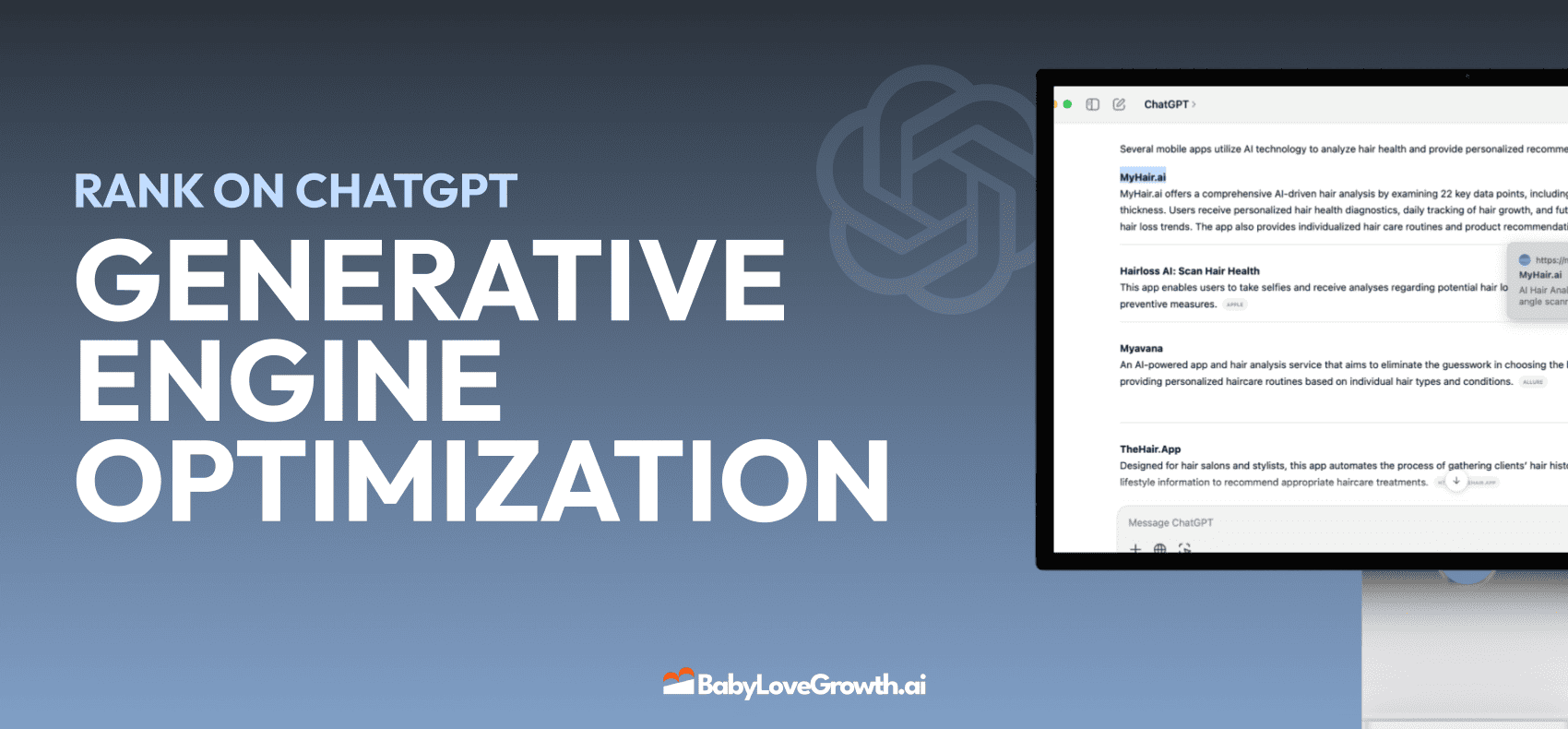
Generative Engine Optimization (GEO)
Learn how Generative Engine Optimization (GEO) helps your content rank in AI search engines like ChatGPT and Google AI. This comprehensive guide explains the differences between SEO and GEO, why it matters for your business, and practical steps to implement GEO strategies for better visibility in AI-generated responses.
DylenJan 18, 2025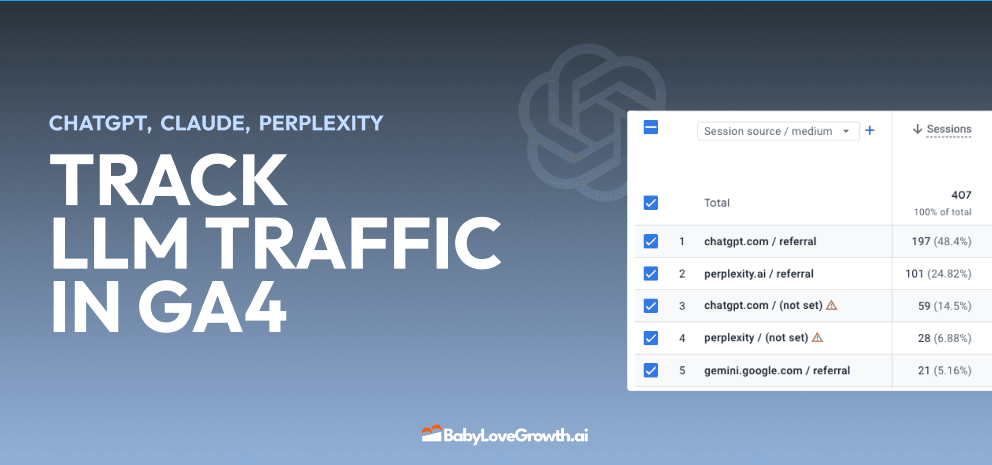
Track LLM Traffic in Google Analytics 4 (GA4)
Learn how to track and analyze traffic from AI sources like ChatGPT, Claude, Perplexity, and Google Gemini in Google Analytics 4. This step-by-step guide shows you how to set up custom filters to monitor AI-driven traffic and make data-driven decisions for your content strategy.
DylenMar 18, 2025
How to Humanize AI Text with Instructions
Learn practical techniques to make AI-generated content sound more natural and human. This guide covers active voice, direct addressing, concise writing, and other proven strategies to transform robotic text into engaging content.
DylenApril 7, 2025
Open AI Revenue and Statistics (2024)
Comprehensive analysis of OpenAI financial performance, user engagement, and market position in 2023. Discover key statistics including $20B valuation, $1B projected revenue, and 100M+ monthly active users.
DylenOctober 03, 2025