How to build a brand online with AI-driven strategies


TL;DR:
- Building a credible online brand requires a clear audit, specific goals, and consistent messaging.
- AI tools automate content, personalize customer interactions, and improve visibility efficiently.
- Social proof through reviews and UGC significantly boosts trust and customer engagement.
Building a recognizable brand online isn't just a marketing exercise anymore. It's a survival skill. With millions of businesses competing for attention across search engines, social platforms, and AI-powered discovery tools, blending into the background means losing customers to competitors who show up first and speak more clearly. Traditional branding tactics, the kind built on gut instinct and static logos, simply can't keep pace with how fast customer expectations shift. This guide walks you through a practical, AI-powered framework for building a credible online brand that earns trust, drives traffic, and grows with you.
Table of Contents
- Assess your starting point and set clear brand goals
- Select essential AI-driven tools and platforms
- Develop your brand's voice and content strategy
- Engage audiences and amplify reach through social proof
- Why AI-driven branding beats traditional approaches
- Level up your brand with automation today
- Frequently asked questions
Key Takeaways
| Point | Details |
|---|---|
| Start with a brand audit | Assess your current digital presence and set clear goals before making changes. |
| Use AI-driven tools | Automate content, personalization, and analytics for efficient brand growth. |
| Craft an authentic voice | Blend data-driven insights with relatable storytelling for lasting customer loyalty. |
| Leverage social proof | Encourage reviews and engagement, which increase both credibility and sales. |
| Avoid content staleness | Regularly review, refresh, and humanize your brand's messaging for continued relevance. |
Assess your starting point and set clear brand goals
Before you touch a single AI tool, you need an honest look at where your brand stands right now. Most businesses skip this step and jump straight into content creation or social posting, then wonder why nothing sticks. A brand audit forces you to see what customers actually experience when they find you online, not what you hope they see.
Start by reviewing every channel where your business appears: your website, Google Business Profile, social media accounts, review platforms, and any directory listings. Ask yourself whether the messaging is consistent, whether the visuals feel current, and whether the content actually answers the questions your target audience is asking. Outdated messaging and content staleness are among the most common branding pitfalls businesses face, and they quietly erode trust without any obvious warning sign.
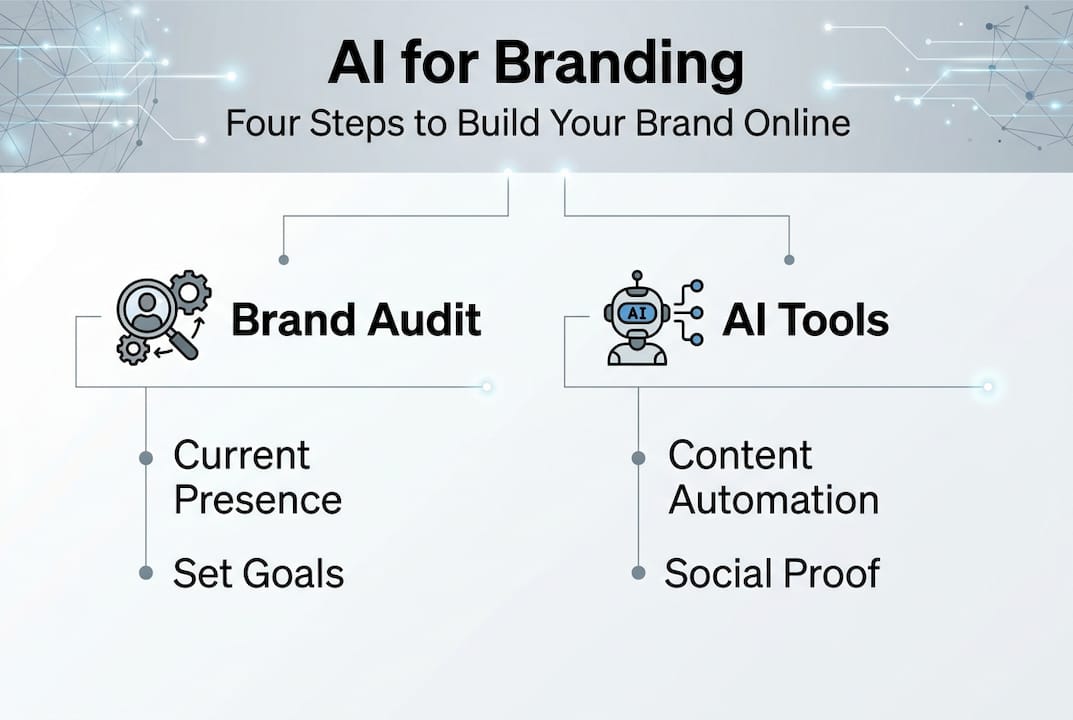
Once you've mapped your current presence, define what success looks like. Vague goals like "get more followers" won't move the needle. Specific goals like "increase organic website traffic by 40% in six months" or "generate 25 qualified leads per month from content" give you something measurable to work toward. A strong effective AI brand strategy always starts with clarity about outcomes.
Use the checklist below to structure your audit:
| Channel | What to review | Key question |
|---|---|---|
| Website | Copy, design, page speed | Does it reflect your current offer? |
| Social media | Posting frequency, tone, visuals | Is the voice consistent and active? |
| Content library | Blog posts, videos, guides | Is it relevant and up to date? |
| Online reviews | Star ratings, response rate | Are you engaging with feedback? |
| Search presence | Rankings, featured snippets | Are you visible for key terms? |
Key goals to define during your audit:
- Brand recognition: Are people finding you by name?
- Authority: Are you ranking for industry-relevant searches?
- Engagement: Are visitors staying, clicking, and returning?
- Reputation: What do reviews and mentions say about you?
For deeper guidance on closing the gap between where you are and where you want to be, brand authority insights can help you prioritize the right improvements.
Select essential AI-driven tools and platforms
With your goals in focus, you're ready to equip your business with smart, time-saving tools. The good news is that AI-powered platforms have become far more accessible for small and medium businesses. You don't need an enterprise budget to automate meaningful parts of your branding workflow.
Focus on four core categories: content automation, customer relationship management (CRM), social media management, and analytics. Each one handles a different layer of your brand's digital presence, and when they work together, the compounding effect on visibility and engagement is significant.

AI chatbots and CRM systems are especially powerful for delivering personalized experiences at scale, which directly improves customer retention. A customer who feels recognized and understood is far more likely to return and refer others.
Here are five tools to prioritize as you build your stack:
- AI content generator (for blogs, social captions, and email): Reduces content production time while maintaining quality and SEO alignment.
- CRM with AI scoring (like HubSpot or Zoho): Tracks customer interactions and predicts which leads are most likely to convert.
- Social media scheduler (like Buffer or Later): Automates posting and surfaces performance data so you can double down on what works.
- SEO analytics platform: Tracks keyword rankings, backlinks, and organic traffic trends in real time.
- AI chatbot for your website: Handles FAQs, captures leads, and personalizes the visitor experience around the clock.
Learn how AI chatbots in branding can turn passive website visitors into active leads, and how personalized marketing with AI lifts conversion rates without requiring a bigger team.
Pro Tip: Don't run these tools in silos. Connect your CRM to your content platform and your analytics to your social scheduler. Integrated systems give you a single view of what's working and where customers drop off, so you can fix problems before they cost you revenue.
Develop your brand's voice and content strategy
Having the right tools is only half the battle. It's your brand's voice and consistent story that stick in customers' minds. A business that sounds like every other business in its category will always struggle to build loyalty, no matter how much content it publishes.
Start by writing a simple tone guide: two or three paragraphs describing how your brand sounds, what words it uses, and what it avoids. Are you direct and no-nonsense? Warm and encouraging? Technical and authoritative? This guide becomes the filter for every piece of content your team or AI tool produces. Without it, your messaging drifts, and customers sense the inconsistency even if they can't name it.
Data-driven, unique messaging consistently outperforms generic marketing fluff when it comes to building trust and driving action. Customers respond to specificity. "We help e-commerce brands cut cart abandonment by 30%" lands harder than "We help businesses grow."
Core elements of a strong brand content strategy:
- Audience personas: Know exactly who you're writing for, including their pain points and preferred channels.
- Content pillars: Three to five recurring themes that reflect your expertise and your audience's interests.
- Publishing cadence: A realistic schedule you can actually maintain, whether that's two posts a week or two a month.
- SEO alignment: Every piece of content should target a specific keyword or question your audience is searching for.
- Performance review: Monthly check-ins to see what's gaining traction and what needs updating.
For practical guidance on shaping how your brand communicates, explore building brand voice and discover how AI content for brand loyalty keeps audiences coming back.
"Data alone doesn't build loyalty. Relatable, relevant stories do."
Pro Tip: Use AI to generate your first draft or brainstorm topic clusters, but always edit for your brand's specific voice. AI-generated content that hasn't been humanized tends to feel flat, and readers notice.
Engage audiences and amplify reach through social proof
Once your messaging is clear, scaling its impact relies on what real people say about you online. Social proof, which includes customer reviews, user-generated content (UGC), and endorsements from micro-influencers, is one of the most underused growth levers for small and medium businesses.
The numbers make a compelling case. 57% of customers buy as a direct result of authentic social engagement. That means your existing happy customers are one of your most powerful marketing assets, and most businesses leave that asset completely untapped.
Steps for maximizing authentic social engagement:
- Ask for reviews proactively. Send a follow-up email after every purchase or service interaction with a direct link to your Google or Trustpilot profile.
- Repost UGC with permission. When customers share photos or stories featuring your product, reshare them on your own channels. It validates the customer and builds credibility with new audiences.
- Partner with micro-influencers. Accounts with 5,000 to 50,000 followers in your niche often deliver higher engagement rates than larger accounts at a fraction of the cost.
- Respond to every review. Positive or negative, a response signals that your brand is active, accountable, and human.
- Create shareable moments. Design campaigns, challenges, or content formats that make it easy and fun for customers to participate and share.
For a deeper look at turning social signals into measurable growth, boosting engagement with social proof and building online presence are worth reading alongside this guide.
"Social proof doesn't just validate your brand. It creates exponential momentum that paid ads simply can't replicate."
Why AI-driven branding beats traditional approaches
Looking back at how branding has evolved, the contrast between old-school methods and AI-powered strategies is striking. Traditional branding moved in slow cycles: annual rebrands, quarterly campaigns, and messaging that stayed static for months regardless of how customer behavior shifted. That pace is no longer viable.
AI changes the game by making speed and relevance the default. You can test messaging variations in real time, personalize content for different audience segments without a full creative team, and catch performance drops before they become real problems. Brand visibility with AI SEO is no longer a competitive advantage reserved for large companies. It's accessible to any business willing to build the right systems.
Here's the part most people get wrong: AI-driven branding isn't about removing the human element. It's about amplifying it. The brands that win with AI are the ones using it to do more of what makes them genuinely valuable, not to replace authentic connection with automated noise. Personalization at scale only works when there's something real underneath it. AI gives you the speed. You still have to bring the substance.
Level up your brand with automation today
If you're ready to shortcut your brand's growth curve, powerful automation is within reach. The framework in this guide works, but executing it manually across every channel is slow and inconsistent. That's exactly the problem Babylovegrowth.ai was built to solve.
Babylovegrowth.ai gives small and medium businesses a full SEO automation platform that handles AI-driven content creation, keyword targeting, and publishing on autopilot. You can grow your organic traffic tool results without spending hours on manual optimization, and build domain authority faster with integrated backlink building software. Start with your brand audit, pick your tools, and let automation handle the heavy lifting while you focus on running your business.
Frequently asked questions
What is the first step to building a brand online?
Start with a clear audit of your current digital presence, then set specific, measurable goals. Outdated messaging and content staleness are the most common issues that surface during this process.
How do AI tools help in branding?
AI tools automate personalized content, manage customer interactions, and enable real-time performance improvements. AI chatbots and CRM systems are particularly effective at driving deeper personalization and stronger customer retention.
Why is social proof important for online brands?
Social engagement and positive reviews directly increase customer trust and purchase decisions. 57% of customers buy as a result of authentic social engagement, making it one of the highest-return branding investments available.
Can AI replace the need for human creativity in branding?
No. AI accelerates content creation and surfaces data-driven insights, but authentic human judgment and creativity are what make a brand genuinely memorable and trustworthy.
What are the risks of relying on AI for branding?
Over-automation can lead to generic, flat content that fails to connect. Content staleness and marketing fluff are real risks when AI output isn't regularly reviewed and updated by a human editor.
Recommended
Smart SEO,
Faster Growth!
Most Read Articles
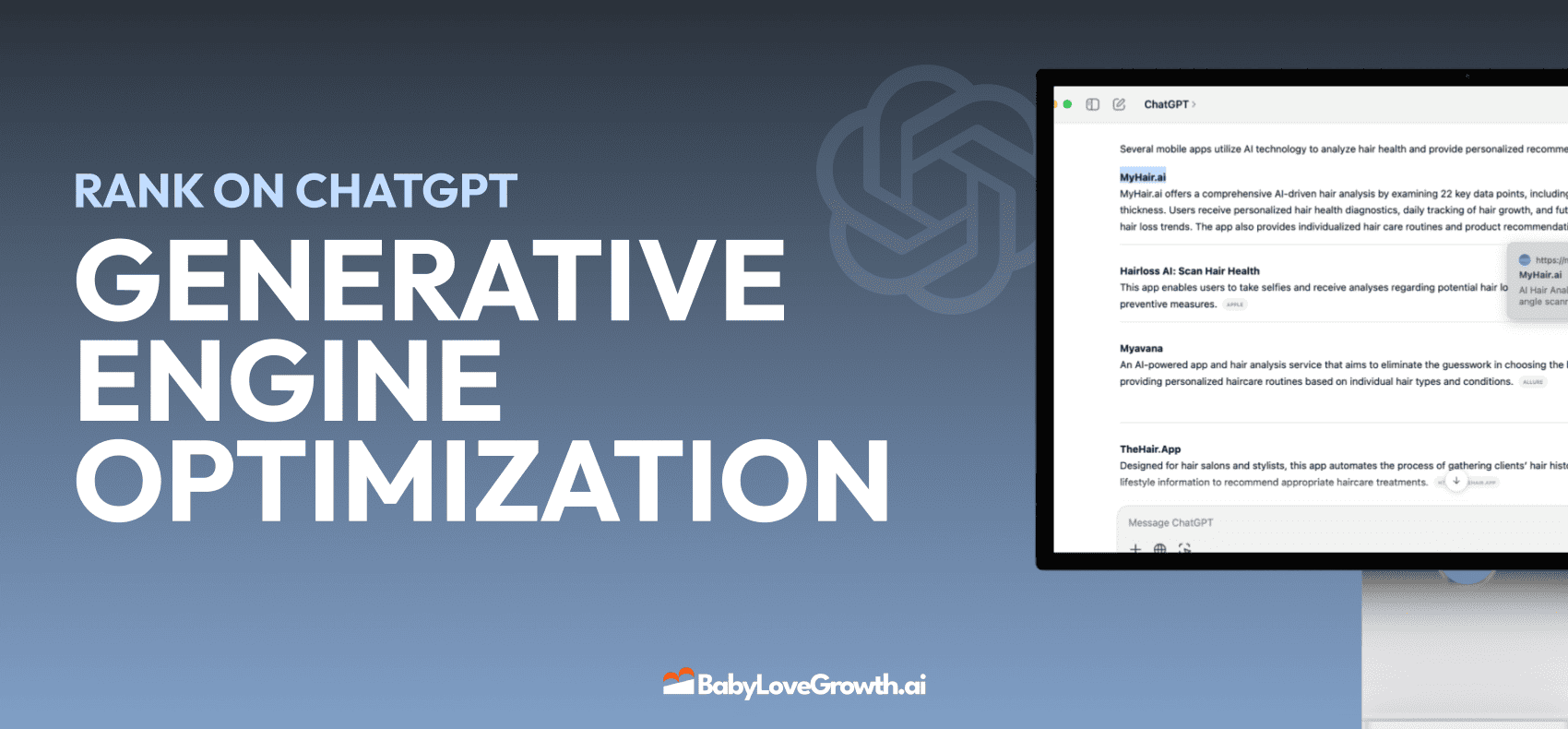
Generative Engine Optimization (GEO)
Learn how Generative Engine Optimization (GEO) helps your content rank in AI search engines like ChatGPT and Google AI. This comprehensive guide explains the differences between SEO and GEO, why it matters for your business, and practical steps to implement GEO strategies for better visibility in AI-generated responses.
DylenJan 18, 2025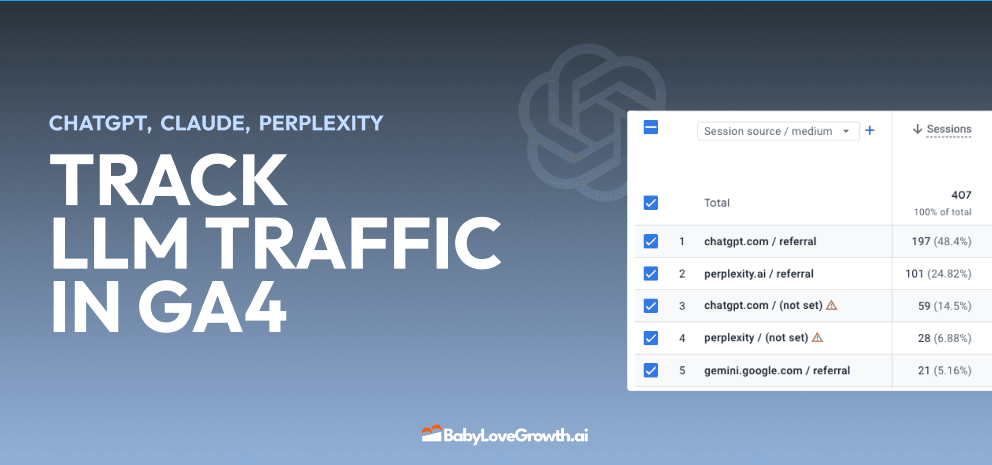
Track LLM Traffic in Google Analytics 4 (GA4)
Learn how to track and analyze traffic from AI sources like ChatGPT, Claude, Perplexity, and Google Gemini in Google Analytics 4. This step-by-step guide shows you how to set up custom filters to monitor AI-driven traffic and make data-driven decisions for your content strategy.
DylenMar 18, 2025
How to Humanize AI Text with Instructions
Learn practical techniques to make AI-generated content sound more natural and human. This guide covers active voice, direct addressing, concise writing, and other proven strategies to transform robotic text into engaging content.
DylenApril 7, 2025
Open AI Revenue and Statistics (2024)
Comprehensive analysis of OpenAI financial performance, user engagement, and market position in 2023. Discover key statistics including $20B valuation, $1B projected revenue, and 100M+ monthly active users.
DylenOctober 03, 2025